Professional Water Sampling
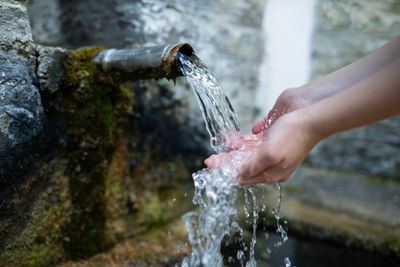
It's such a beautiful island, why test your water?
On Block Island, regular water testing is basically risk management. Most homes rely on private wells and on-island conditions make water quality more likely to change over time—often without any obvious taste or smell changes.Key reasons to test:
- Private wells aren’t regulated like city water. If you’re on a well, you (the homeowner) are the “water department,” so testing is the only way to know it’s safe.
- Salt air + coastal environment can affect systems. The marine environment can accelerate corrosion and wear in plumbing components, tanks, and treatment equipment, which can impact water quality.
- Seasonal use creates problems. Homes that sit vacant for weeks/months can have stagnant water, which increases risk of bacteria growth and can leach metals from plumbing.
- Heavy rain and storm events can change groundwater. Big weather swings can introduce contaminants into wells or overwhelm older systems.
- Septic systems are common. In areas with dense seasonal occupancy, septic and groundwater are closely linked—testing helps catch issues early.
- You can have “clear” water that still isn’t safe. Things like bacteria, nitrates, and some metals don’t always show up visually.
Basic Potability / Safety
- Total coliform bacteria
- E. coli
Nitrate/nitrite (especially important for health risk screening))
Real Estate / “Private Well” Screening (broader baseline)
Includes the basic bacteria test plus a wider panel such as:
- Nitrate/nitrite
- pH, hardness, alkalinity
- Chloride / sodium (useful in coastal areas)
- Turbidity / total dissolved solids (TDS)
- Iron and manganese (staining/odor indicators)
Metals Panel (health + plumbing-related)
Common metals tested:
- Lead
- Copper
- Arsenic
- Uranium (sometimes offered depending on lab)
- Other metals depending on the lab package
PFAS (“Forever Chemicals”) Testing
Many labs now offer PFAS panels for private wells. This is usually an add-on and can be a good one-time baseline (or periodic, depending on results and risk tolerance).
Volatile Organic Compounds (VOCs) / Fuel & Solvent Screen
Used if there’s concern about:
- Fuel oil, gasoline, solvents, chemicals
Often recommended if you suspect contamination or want a very thorough baseline.
Radon in Water (less common, but available)
Relevant when:
- The home is on a private well and you’re doing a deeper health screen
- There’s known radon risk in the region (labs can advise)
“Problem-Specific” Tests (when symptoms show up)
Based on what you’re seeing:
- Hydrogen sulfide (rotten egg smell)
- Tannins (tea-colored water)
- Chloride/salinity (salty taste)
- Corrosivity testing (if pinhole leaks / blue-green staining)